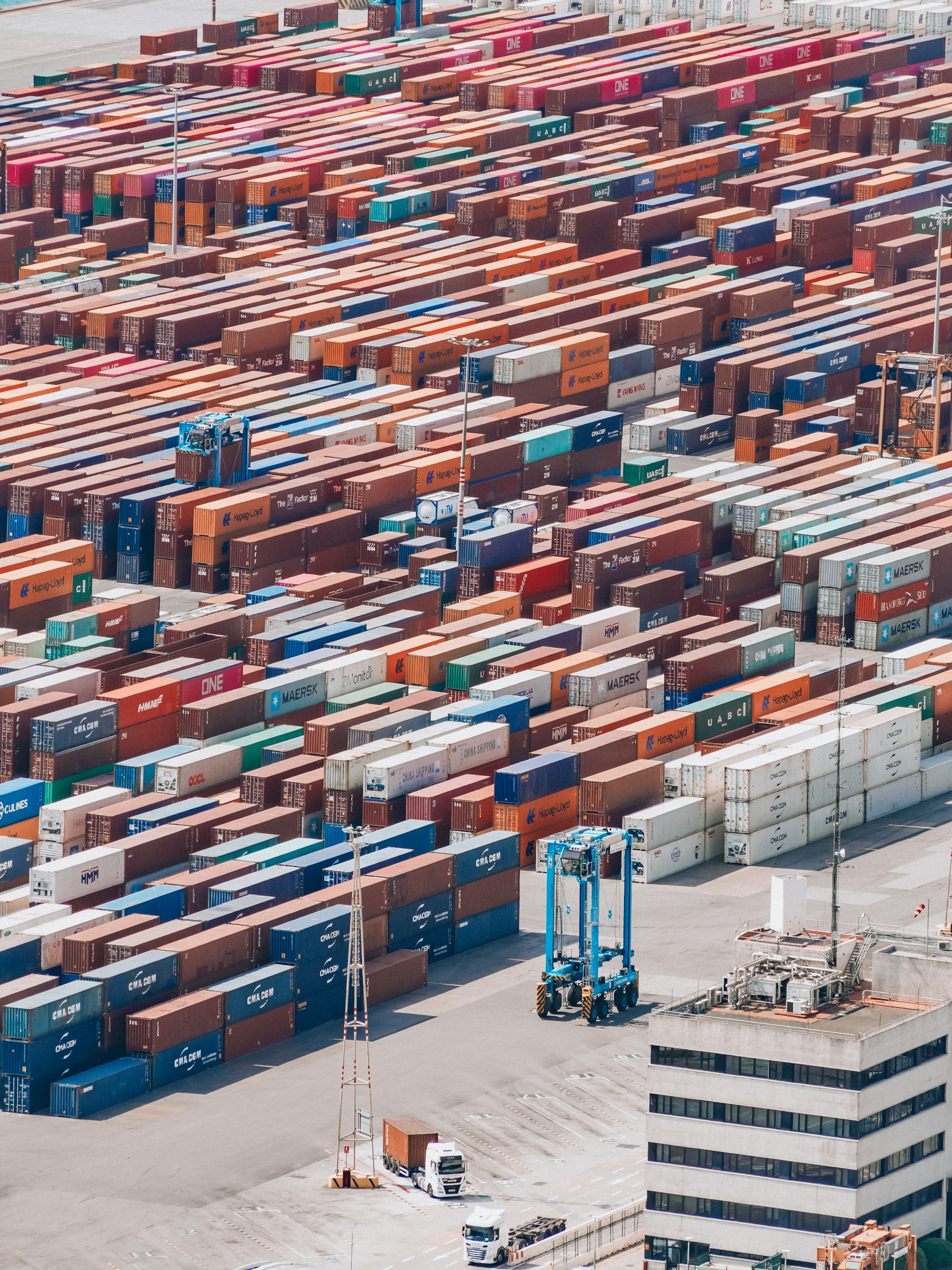
U.S. Customs and Border Protection has never assessed this much duty evasion in a single year. On July 29, 2026, CBP announced it had uncovered more than $1 billion in additional duties owed through investigations under the Enforce and Protect Act (EAPA). It is a first in the program’s 10-year history and roughly 300 percent above its annual average. If you import goods subject to an antidumping or countervailing duty order, this is the year to know exactly what supports your entries.
What CBP reported
- More than $1 billion in additional duties owed under EAPA, the first time the program has passed that mark in 10 years.
- Approximately 300 percent above the program’s annual average.
- Fourteen notices of determination issued in 2026.
- Products involved included solar cells, tow-behind lawn groomers, lumber, pipes, xanthan gum, metal lockers, and wooden furniture.
- CBP investigators traveled to Mexico, Thailand, India, New Zealand, and the United Kingdom to inspect production facilities and verify that importers were buying from legitimate businesses.
What is the Enforce and Protect Act?
EAPA is the authority Congress gave CBP to investigate and stop the evasion of antidumping and countervailing duties. The schemes it targets are illegal transshipment through a third country, misclassification of the merchandise, and undervaluation of the transaction.
An EAPA case does not begin with your entry. It begins with an allegation, usually from a domestic producer or a competitor who believes goods like yours are arriving under the wrong origin or the wrong value. If CBP initiates an investigation, it must reach a determination within one year, and it can impose interim measures long before that. Those interim measures are the part importers feel first: suspended or extended liquidation on covered entries, rate adjustments, and demands for single transaction bonds. Cash flow changes before any finding is final.
CBP has been explicit that the program depends on tips from businesses and the public. That is worth sitting with. A competitor who thinks you are buying transshipped merchandise has a formal channel for saying so, and CBP has said it works closely with those filing allegations to help them build well-supported cases.
Why the 2026 numbers should change how you document sourcing
The dollar figure gets the headline, but the foreign travel is the more useful detail. Investigators visiting plants in five countries to confirm a supplier can actually manufacture the goods is a fundamentally different exercise than reviewing documents at a U.S. port. CBP is no longer only asking what you declared. It is asking whether the factory on your invoice is capable of producing what you entered.
The product list carries a second signal. Xanthan gum sits alongside solar cells and metal lockers in CBP’s 2026 determinations, which is a reminder that food and ingredient importers are inside the AD/CVD universe rather than adjacent to it. If your compliance attention runs mostly toward FDA prior notice, labeling, and admissibility, duty exposure can sit quietly underneath that work, attached to a single ingredient, a packaging component, or a piece of processing equipment.
None of this is happening in isolation. It follows the Strengthening Customs Enforcement executive order earlier this year, and in July the Departments of Justice and Homeland Security published a joint resource guide to trade fraud enforcement naming the trade fraud patterns the agencies treat as high risk. Read together, they describe an enforcement posture that is broader and better coordinated than it was two years ago.
Where the liability actually sits
Three things importers routinely get wrong about EAPA exposure:
- A supplier’s assurance is not a defense. The importer of record is responsible for classification, valuation, origin, duty payment, and recordkeeping. When a foreign supplier misstates origin, the duty bill and the penalty exposure still land on the importer.
- Origin is a factual question, not a documentation question. CBP is verifying production capacity on site. Records showing how goods were actually made carry more weight than certificates asserting where they came from.
- Cooperating fully does not mean you walk away clean. Cooperation shapes how CBP builds a case and can keep a finding narrow, but it cannot retroactively correct entries that were declared incorrectly.
What to have on file before an allegation arrives
The work that protects an importer during an EAPA investigation is almost entirely work done before it starts. Practical steps:
- Identify which of your products fall under an active antidumping or countervailing duty order, including inputs and components rather than only finished goods.
- Ask suppliers for records that substantiate origin as a matter of fact: bills of materials, manufacturing process documentation, input sourcing, and production capacity.
- Look hard at the ownership and business relationships behind any supplier you added after a sourcing shift from one country to another. That pattern is what CBP is targeting.
- Keep origin support for the full five-year recordkeeping period, not just until the entry liquidates.
- Treat a CF-28 request for information as an early warning and answer it with substance the first time.
Since 1931 we have worked with importers long before their cargo ships, on duty rates, admissibility, and the agencies beyond CBP that govern food, machinery, and chemical imports. If you are not certain where your AD/CVD exposure sits, that is a better conversation to have now than during an investigation. Contact us.
Frequently asked questions
What is the Enforce and Protect Act?
EAPA is the authority CBP uses to investigate allegations that an importer is evading antidumping or countervailing duties. It covers illegal transshipment, misclassification, and undervaluation. Investigations must conclude within one year of initiation.
How much duty evasion did CBP find in 2026?
CBP announced on July 29, 2026 that it had uncovered more than $1 billion in additional duties owed under EAPA. It is the first time the program has exceeded $1 billion in its 10-year history and is roughly 300 percent above its annual average.
Which products were involved in CBP’s 2026 EAPA determinations?
CBP issued 14 notices of determination in 2026 involving products including solar cells, tow-behind lawn groomers, lumber, pipes, xanthan gum, metal lockers, and wooden furniture.
Does CBP visit foreign factories during EAPA investigations?
Yes. CBP reported that investigators traveled to Mexico, Thailand, India, New Zealand, and the United Kingdom to inspect production facilities and verify that importers were sourcing from legitimate businesses.
Who is liable if a supplier misstates country of origin?
The importer of record is ultimately responsible for compliance with CBP requirements, including classification, valuation, duty payment, and recordkeeping. A supplier’s representation about origin does not transfer that responsibility.
What happens to my entries if CBP opens an EAPA investigation?
CBP can impose interim measures before reaching a determination, including suspending or extending liquidation on covered entries, adjusting rates, and requiring single transaction bonds. These affect cash flow well before any final finding.
Related
Brauner International has been a licensed customs broker and international freight forwarder since 1931, with offices in Jersey City and at JFK Airport. FMC #575. CTPAT certified. Member, Association of Food Industries. This post is general information and not legal advice. Importers should seek independent counsel regarding specific compliance obligations.